
Structures Removed Safely and Completely
Demolition in Bonfield for unwanted buildings that occupy usable land
Aging garages that no longer close properly, sheds with collapsed roofs, or outbuildings with compromised foundations create liability concerns and limit property potential. Countryside Land Clearing & Demolition handles safe demolition of residential structures where manual removal would expose homeowners to structural collapse risks and require disposal logistics beyond standard waste services. Demolition planning in Bonfield accounts for structure type, proximity to other buildings, and site access that determines equipment choices and debris removal methods.
The process begins with evaluating structural integrity to identify collapse risks, disconnecting utilities if present, and establishing equipment staging areas that protect surrounding landscaping. Controlled demolition removes walls, roofing, and foundation material in sequence that prevents unplanned structural failure, with debris sorted for disposal or recycling based on material type. Properties prepared for redevelopment require complete foundation removal below grade, while others may leave certain footings in place depending on future construction plans.
Request a site assessment to review structural condition and determine demolition staging requirements.
Demolition work accounts for hidden utilities, underground fuel tanks, and foundation depth that manual walkthroughs may not reveal, particularly in older structures where records are incomplete or modifications were never documented. Equipment must access the site without damaging septic systems, underground lines, or adjacent structures, which requires mapping buried infrastructure before heavy machinery begins work. Properties with shared driveways or limited access need staging plans that account for debris truck turning radius and equipment delivery.
After demolition finishes, the site shows level soil where the structure stood, with foundation voids backfilled and compacted to prevent future settling. Debris is hauled offsite rather than buried, leaving clean soil that drainage patterns can be established across or new construction can begin immediately. You notice clear sight lines across the property, improved access for equipment or vehicles, and elimination of the liability and maintenance burden the structure represented.
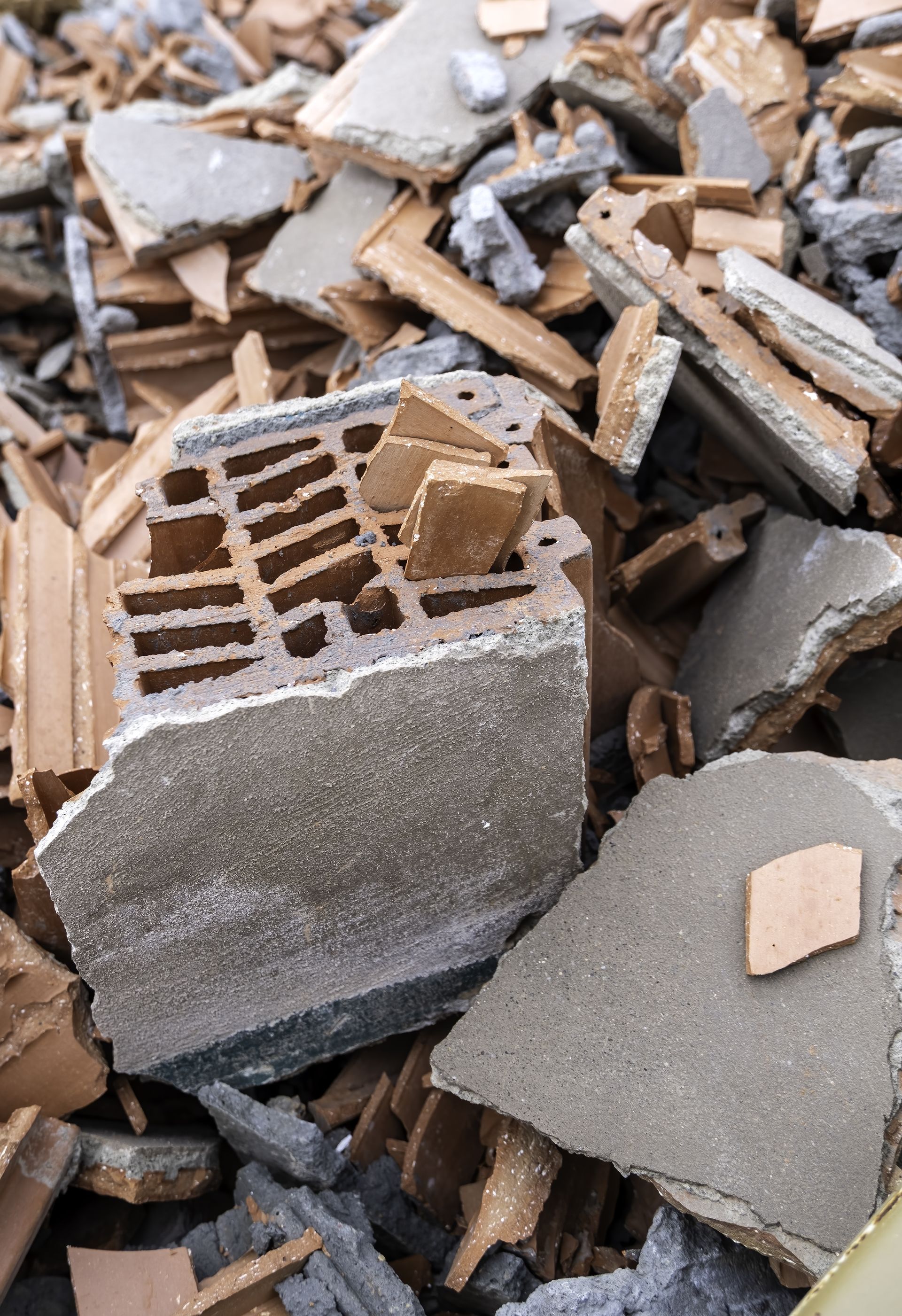
The timeline depends on structure size and material composition, with wood-frame buildings requiring different approaches than concrete block or poured foundation structures. Demolition includes separating recyclable metal, disposing of treated lumber appropriately, and managing concrete or masonry debris that cannot go to standard landfills. Safety protocols address airborne dust, structural instability during partial demolition, and debris control that prevents material from spreading beyond the work area.
Common Questions About This Service
Homeowners facing demolition decisions want to understand what the work involves, how sites are prepared afterward, and what factors affect project complexity.
What needs to happen before demolition begins?
Utilities must be disconnected or confirmed inactive, permits obtained if required locally, and underground infrastructure mapped to prevent damage during foundation removal or grading work.
How is debris handled during the project?
Material is loaded directly into trucks for offsite disposal rather than piled onsite, with metal separated for recycling and concrete hauled to facilities that process masonry separately from general construction waste common in Bonfield area projects.
What remains after a structure is demolished?
The site shows level soil with foundation voids backfilled, all above-ground material removed, and the area graded to match surrounding terrain or prepared for future construction based on your plans for the property.
When does demolition make more sense than renovation?
Demolition becomes practical when structural repairs exceed replacement cost, when foundation failure threatens the entire building, or when property plans require different placement or footprint than the existing structure allows.
How are nearby structures protected during demolition?
Equipment operators stage work to direct debris fall away from adjacent buildings, use controlled deconstruction sequences for structures near property lines, and monitor ground vibration if heavy equipment operates close to foundations or underground utilities.
Countryside Land Clearing & Demolition completes residential demolition projects with full debris removal and site preparation. Schedule a free estimate to review your structure and property access conditions.